It can happen gradually. One day your dog is racing around the backyard, and the next they're taking a little longer to get up from their bed or preferring a nap over a game of fetch.
While every dog ages differently, most dogs are considered seniors between 7 and 10 years of age, depending on their breed and size.
The good news is that growing older doesn't mean your dog can't continue enjoying a happy, active life. A few simple adjustments can make a big difference to their comfort and wellbeing.
1. Support Their Joint Health
Joint stiffness is one of the most common changes seen in senior dogs.
You may notice your dog slowing down on walks, hesitating before jumping onto furniture or taking longer to stand after resting.
Supporting joint health early can help maintain mobility and comfort as your dog ages.
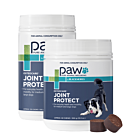
Products such as PAW Osteocare Joint Protect Chews are specifically designed to help support healthy joints and cartilage while assisting everyday mobility.
2. Keep Them Moving
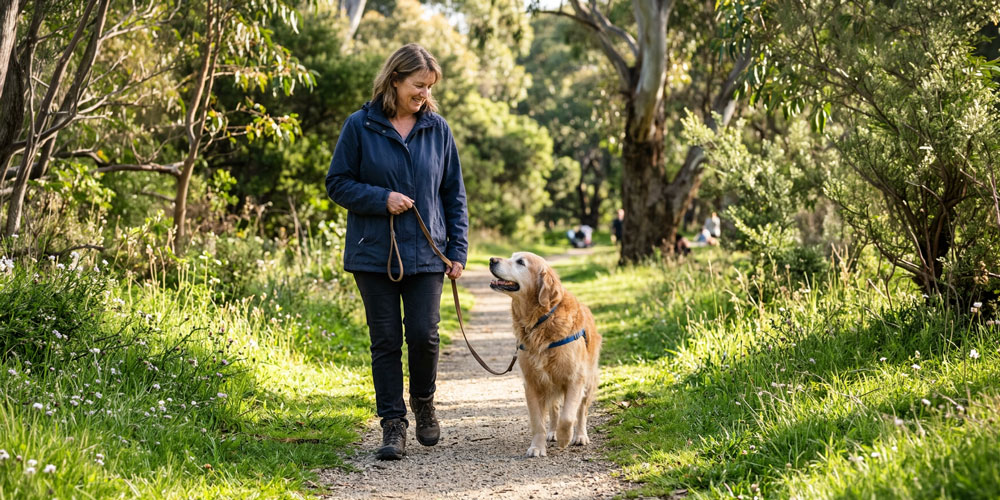
Exercise is still important for senior dogs, but it may need to be adjusted.
Shorter, gentler walks are often better than long, strenuous outings. Regular movement helps maintain muscle strength, joint flexibility and overall health.
The key is consistency rather than intensity.
3. Maintain a Healthy Weight
Extra weight places additional pressure on aging joints.
Keeping your dog at a healthy weight can help reduce strain on their body and support long-term mobility.
Balanced nutrition and appropriate portion sizes become increasingly important as dogs get older.
4. Support Their Overall Wellbeing
Senior dogs can benefit from additional nutritional support to help maintain their health.
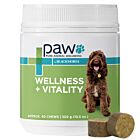
Products such as PAW Wellness & Vitality Multivitamin Chews provide a convenient way to support overall wellbeing and daily health.
These types of supplements can help fill nutritional gaps and support healthy aging.
5. Don't Ignore Changes in Behaviour
Sometimes the first sign of aging isn't physical.
You may notice your dog sleeping more, becoming less interested in activities or behaving differently around the house.
Any significant changes should be discussed with your veterinarian to rule out underlying health concerns.
6. Make Their Home More Comfortable
Simple changes around the home can help senior dogs stay comfortable.
- Provide supportive bedding
- Use non-slip mats on slippery floors
- Keep food and water easily accessible
- Provide ramps if needed for furniture or cars
Small adjustments can help your dog maintain confidence and independence.
7. Prioritise Preventative Care
Regular health checks become increasingly important as dogs age.
Routine veterinary visits, parasite prevention and monitoring changes in health can help identify issues early.
Preventative care plays a major role in helping senior dogs enjoy the best quality of life possible.
Getting Older Doesn't Mean Slowing Down Completely
While your dog's needs may change with age, many senior dogs continue to enjoy active, happy lives with the right support.
Focusing on joint health, nutrition, exercise and preventative care can help keep them comfortable for years to come.
Access to quality online pet supplies in Australia makes it easier to support your dog's changing needs throughout every stage of life.
Summary
Senior dogs often benefit from extra support as they age. Maintaining joint health, providing appropriate nutrition, encouraging regular movement and staying on top of preventative care can all help improve comfort and quality of life. With the right care, many senior dogs continue to thrive well into their golden years.