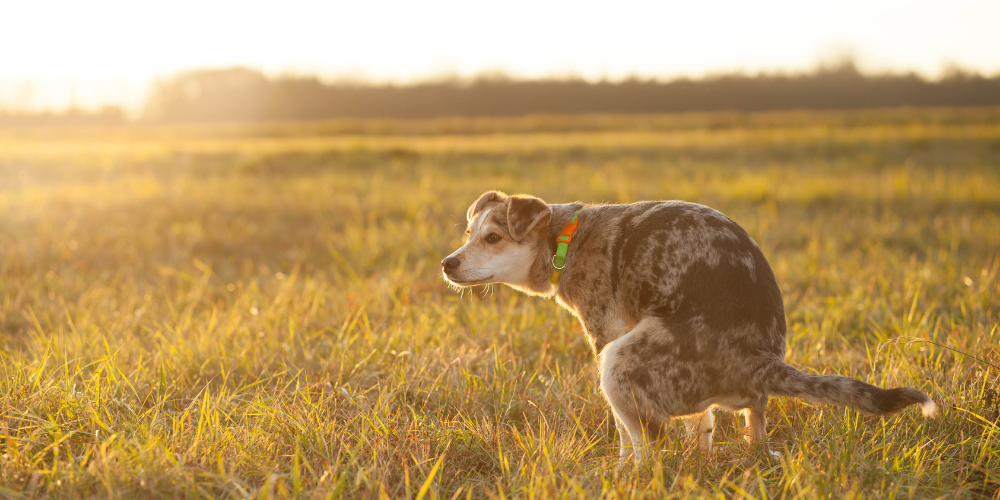
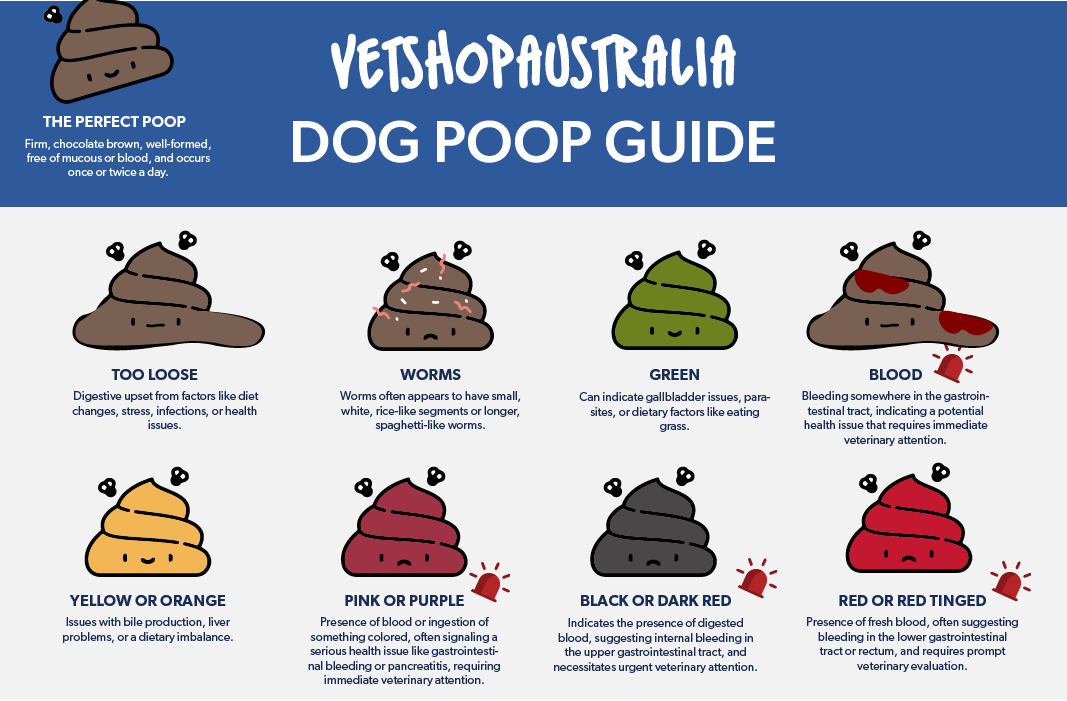
While picking up your canine pal's 'gifts' isn't exactly the glamorous side of pet parenthood, it's an invaluable way to peek into their health and digestive wellbeing. So, let's put on our detective hats (and maybe some gloves) to decipher the story behind your dog's poop! Refer to the attached poop chart to decipher your dog's health.
The Dog Poop Decoder - Rating Your Pooch's Poops
Hard Times – The Clue to Constipation Noticing your dog straining to pass hard, pebble-like poops? This could be a sign of constipation. If left untreated, it can escalate into a painful condition called obstipation, where passing gas or poop becomes an uphill battle. This is a critical situation that requires immediate vet intervention!
What might cause constipation?
- Diet
- Feeding Bones
- Dehydration
- Medication
- Physical Obstructions
- Megacolon
- Lack of Exercise
- Pain from Conditions like Arthritis or Anal Gland Problems
- Other Medical Issues
Chronic constipation calls for a vet visit. In severe cases, an X-ray and enema might be needed. A gentle reminder for bone lovers: bones, both cooked or raw, are common triggers for constipation. Instead, how about dental chews, long-lasting treats, or interactive toys?
A balanced premium diet full of fibre, prebiotics, and probiotics can improve your dog's poop quality. Regular exercise and hydration also contribute to a healthy digestive tract.
The Lumpy Logs – Mild Constipation If your dog's poop is sausage-shaped but a bit lumpy, they could be experiencing mild constipation. A fibre supplement could be their ticket to easier toilet trips.
The Pooch’s Pride – Perfect Poop Congratulations, pet parent! Your pooch's poops are spot-on—easy to pick up, no residue, and holding their shape. Occasional changes following a new treat or food are normal and usually resolve in a few days.
The Squishy Spoils – Dealing with Diarrhoea Diarrhoea is an unwelcome but common guest in a dog's life. For dogs going through a brief bout of diarrhoea, a homemade diet of boiled chicken and rice, or a vet-recommended gastrointestinal diet, along with probiotics, can help.
However, if diarrhoea is accompanied by the following symptoms, rush your pup to the vet:
- Diarrhoea lasting more than 2 days
- Lethargy
- Loss of appetite
- Vomiting
- Blood or Mucous in their poop
Puppies with diarrhoea need immediate vet attention due to their delicate immune systems and a high risk of dehydration.
What causes the diarrhoea debacle?
- Sudden change in diet
- Dietary Indiscretion
- Food Intolerances or Allergies
- Parasites
- Bacterial and Viral Infections
See the below guide to your dog's poop colour. If it looks like the ones with an alert near them, seek veterinary help.
A hypoallergenic, novel protein, or sensitive stomach diet can help dogs dealing with recurrent diarrhoea. Regular worming, a balanced diet, and up-to-date vaccinations are key to keeping your pup's tummy troubles at bay!
Browse through our range of dog hypoallergenic diets and dog flea and worming products to keep your furball healthy and happy!.
So, remember, when it comes to your dog's poop, every scoop has a scoop! Stay vigilant and keep those tails wagging!